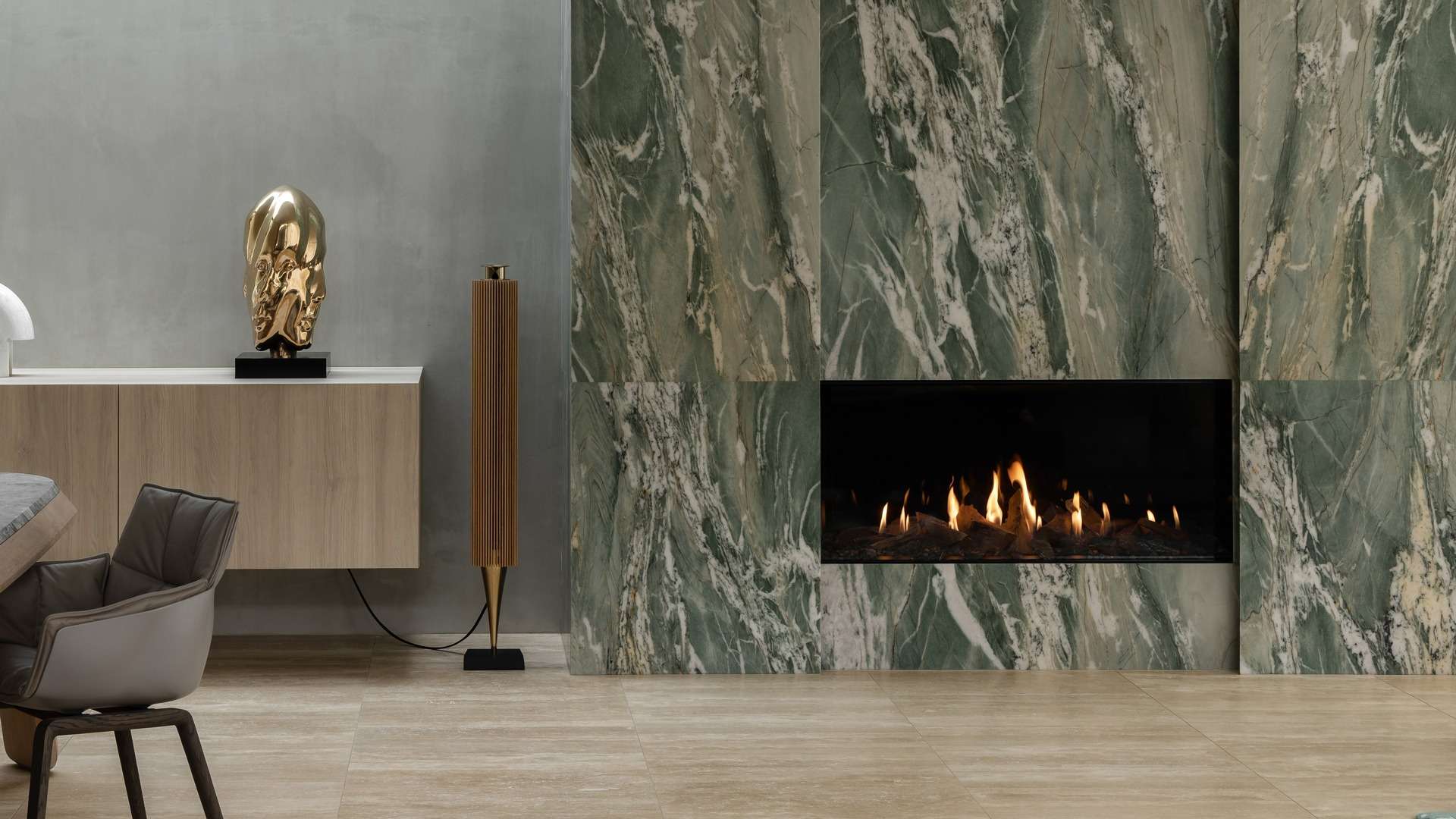
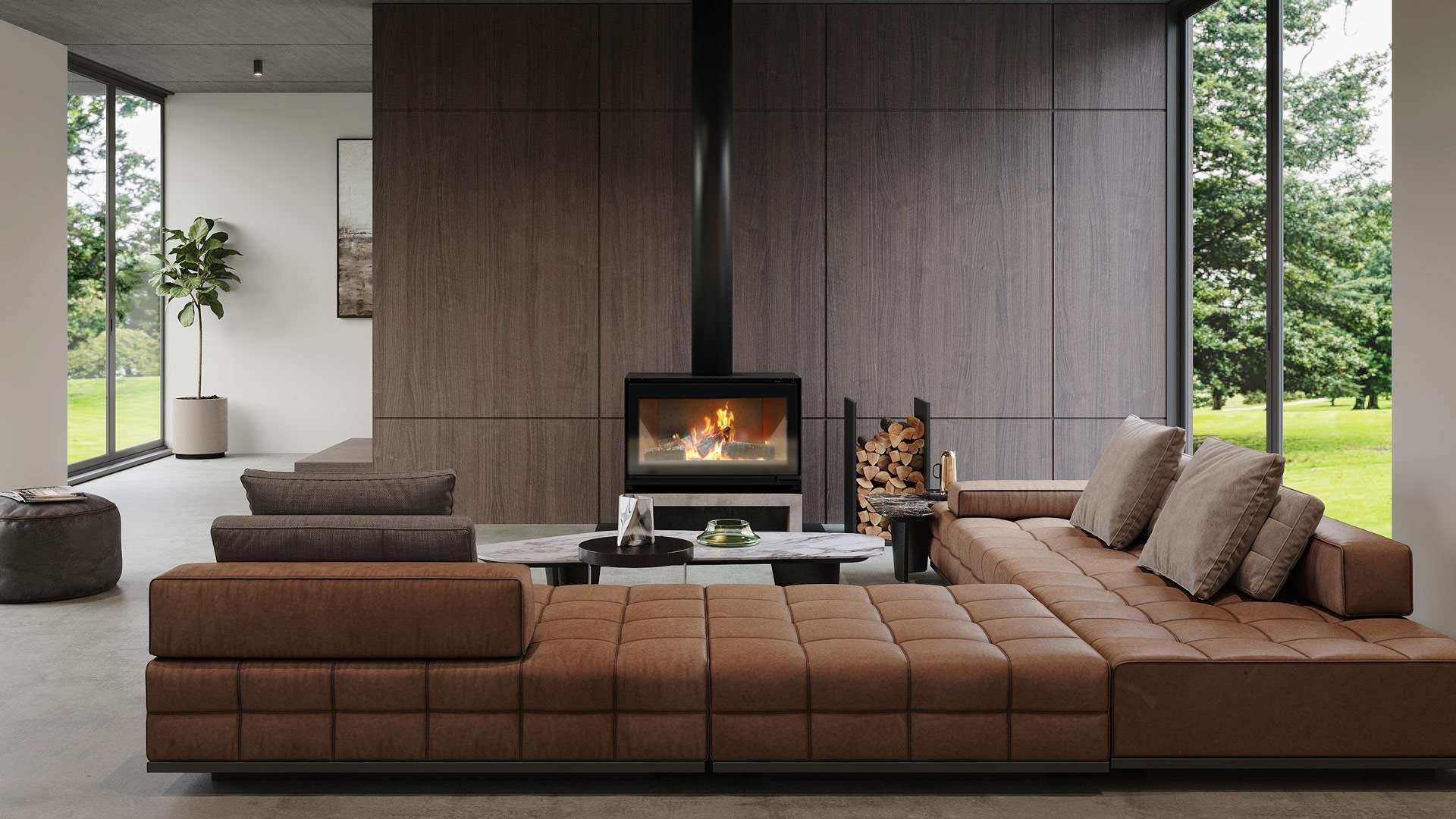

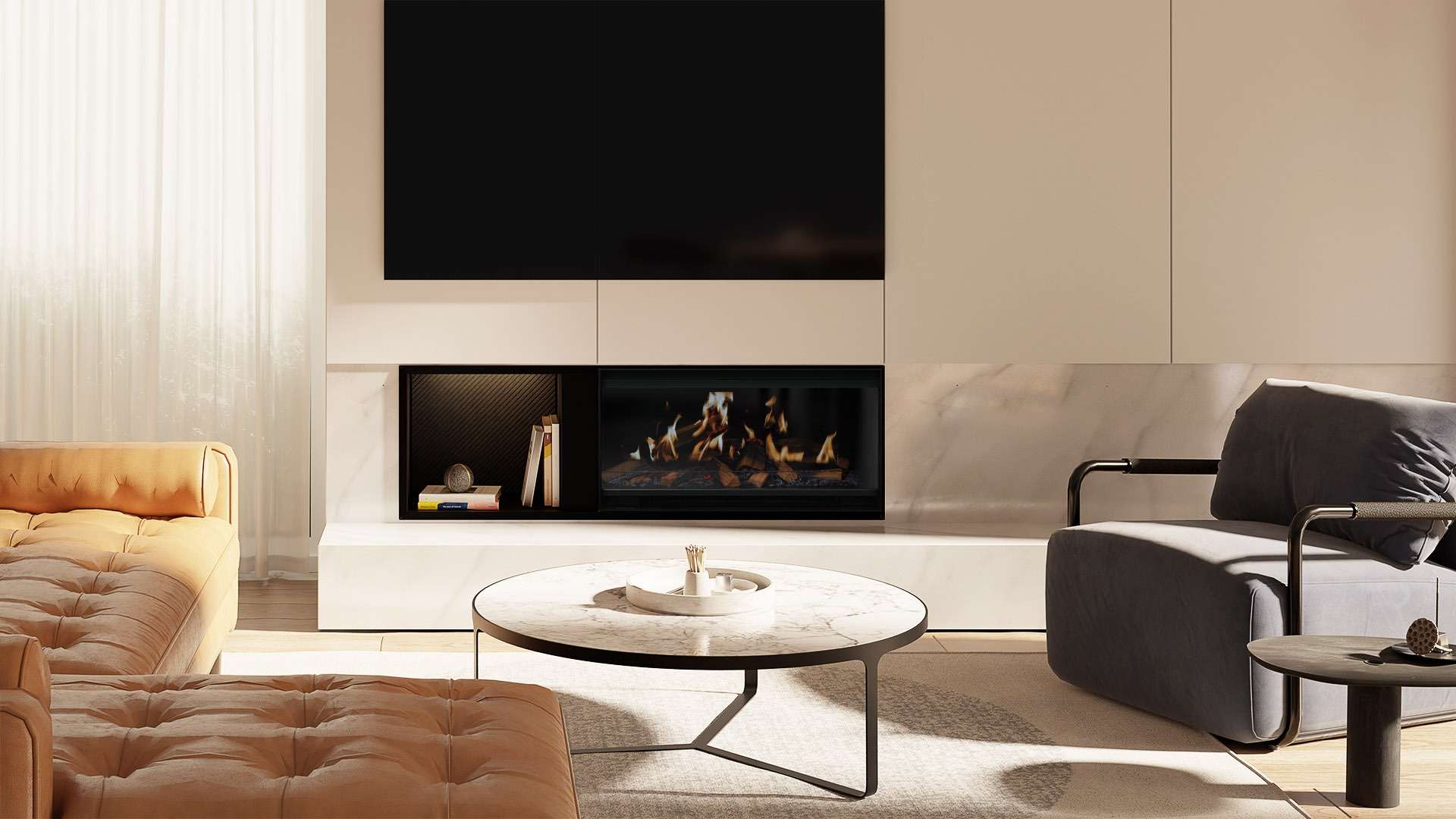

- FeaturingEscea DF960 Gas Fireplace
- Project NamePalm Residence
- Project ByLane & Grove
- LocationSydney, NSW
- Photographed byDave Wheeler
- FeaturingEscea DF960 Gas Fireplace
- Project NamePalm Residence
- Project ByLane & Grove
- LocationSydney, NSW
- Photographed byDave Wheeler
Palm Residence is a warm, quietly expressive family home in Sydney’s eastern suburbs. Designed by Lane & Grove, the project balances generous open living with moments of softness and detail — a place that feels calm, considered, and deeply liveable.
Strong connections to the outdoors, carefully scaled spaces, and a fireplace that anchors the main living area all play a role in shaping how the home is experienced.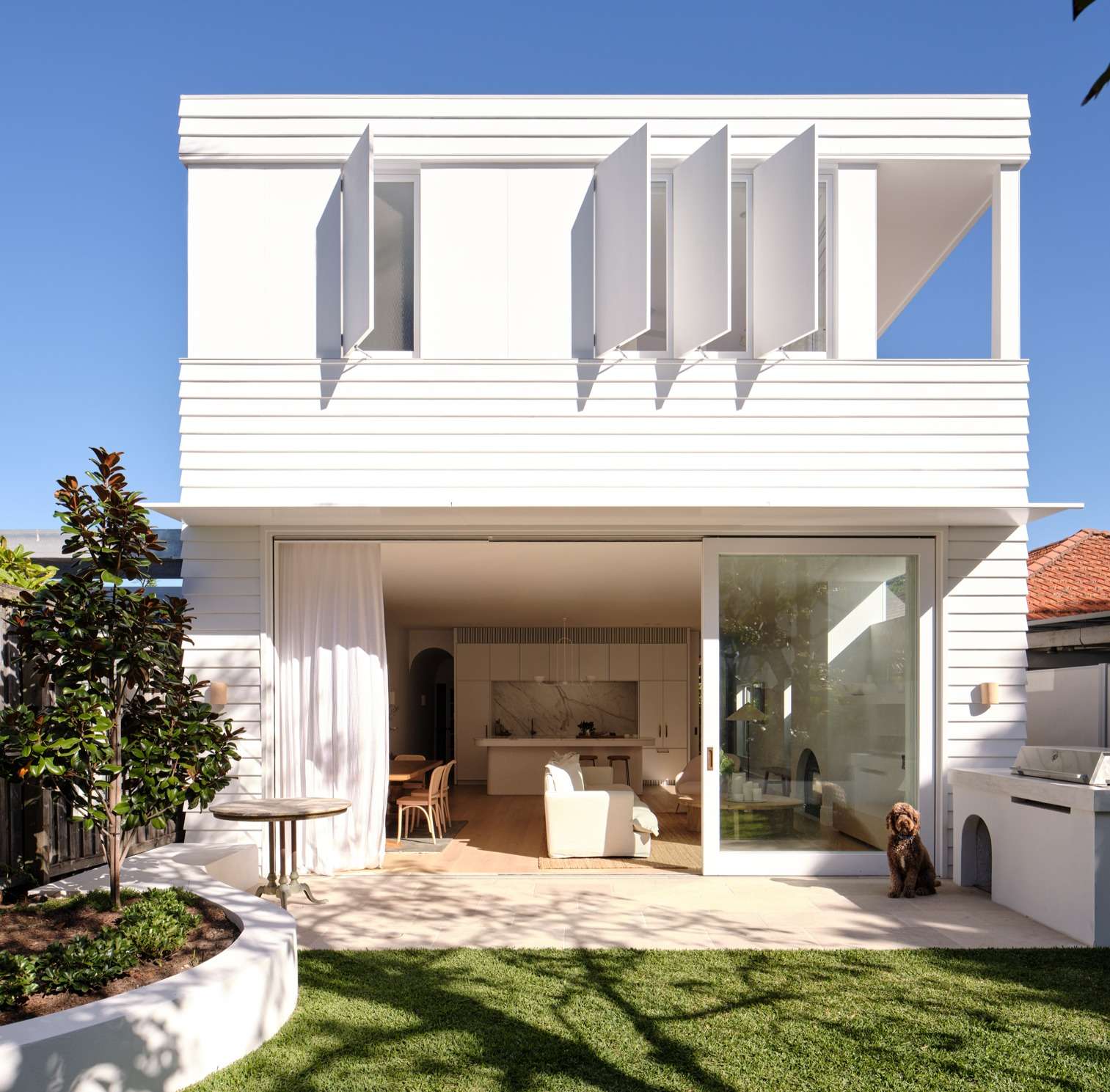
We spoke with Deborah Quigley and Margot Lane, Directors at Lane & Grove about the thinking behind the design, the fireplace specification, and a few practical insights worth considering when designing with fireplaces.
Can you tell us a bit about the project — the original brief, your role, and how you approached it?
Palm Residence is a series of juxtapositions. A calm and hardworking family home. Luxurious and affordable. Simple and detailed.
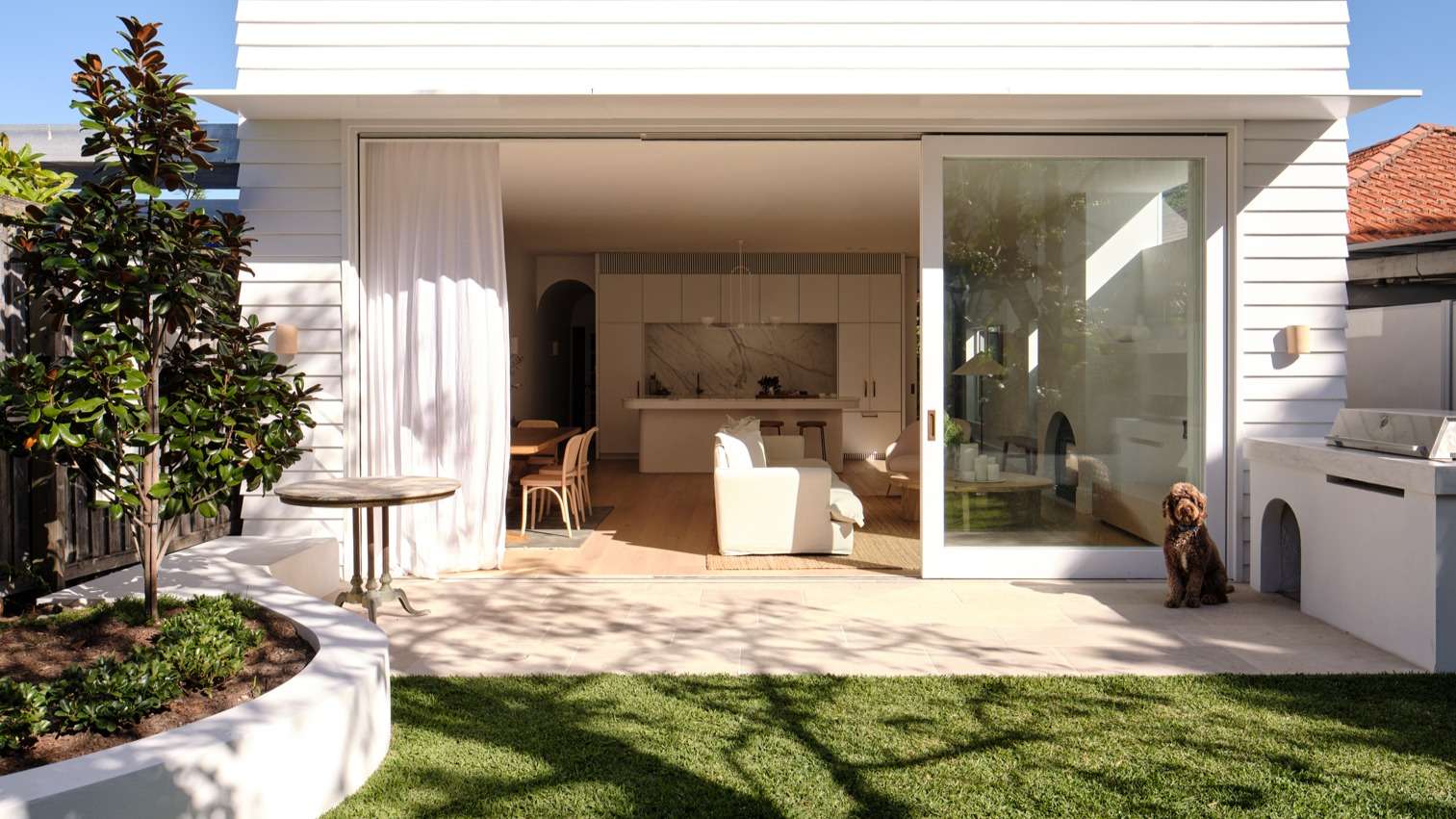
The original building was a 1900s semi-detached dwelling, common in the beachside suburb of Coogee. While old, it did not contain many redeeming features of the era. Lane & Grove proposed removing the rickety lean-to extension and replacing it with a generous open-plan living space, seamlessly connected to the rear garden through 3-metre-high sliding doors.
Windows and doors are oversized, framing landscape and sky. They are designed to remain open and take advantage of Sydney’s temperate climate. The addition of a second storey enabled us to unlock views of the valley and create space for a home office, which will ultimately evolve into a parents’ retreat.
Let’s talk fireplace — did you specify the fire, and why did you choose gas, Escea, and the DF960 model?
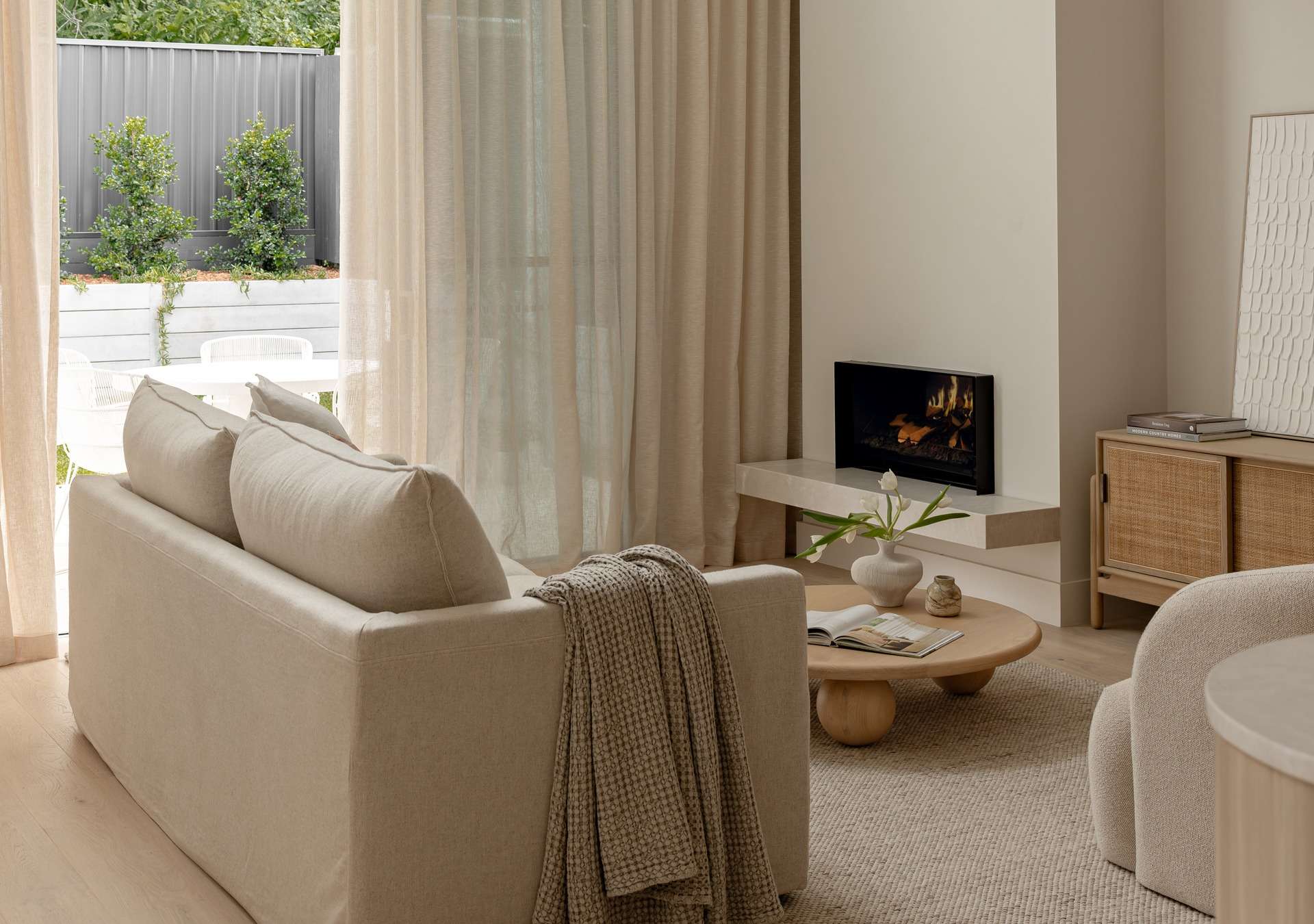
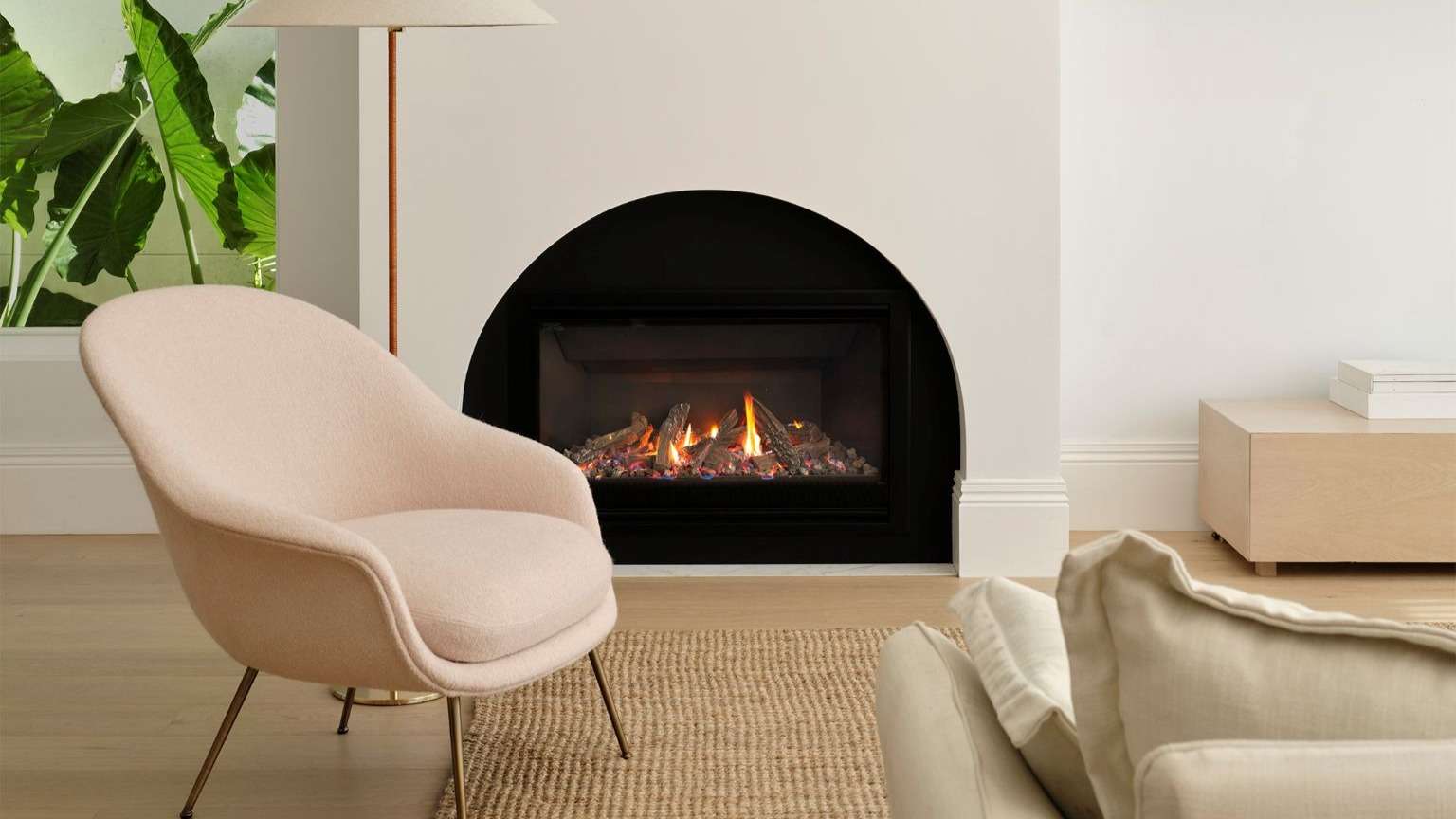
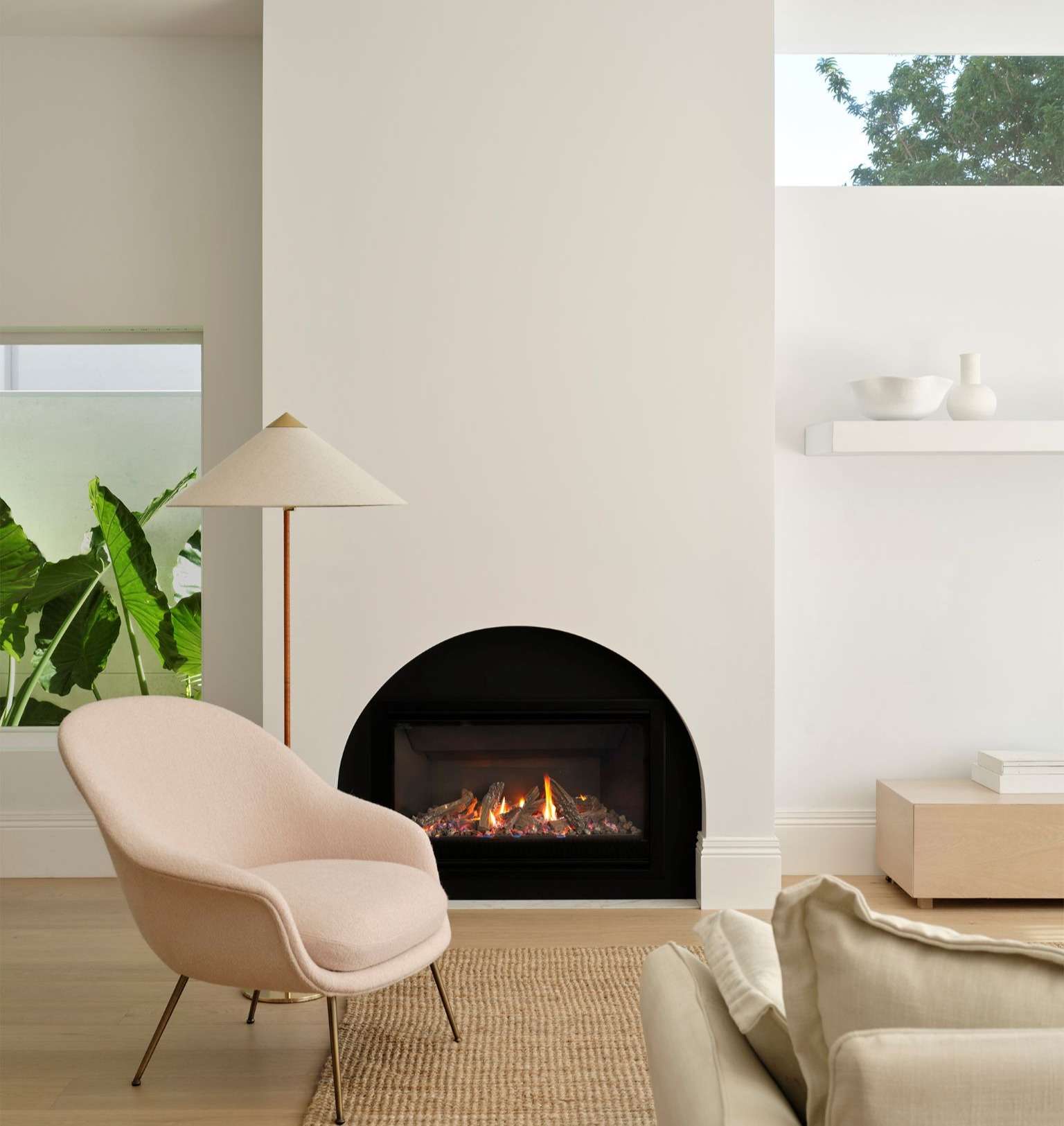
Lane & Grove specified the Escea DF960 gas fireplace for its simplicity and scale. The design features a custom curved black metal backing, which worked beautifully with other curved design features throughout the home.
We added a Calacatta marble hearth — although it isn’t required for the fireplace — because we wanted the stone to introduce a sense of luxury. It’s a simplified take on a traditional fireplace.
How would you describe the finished home — and the role the fireplace plays within it?
The home is very calming and inviting. The fireplace is a beautiful centrepiece that helps separate the kitchen, living, and dining spaces. It also breaks up the high light window, which looks up into the mature tree beyond.
Inside Tips: What are the top things to consider when designing a fireplace into a home?
-
Scale and location are critical.
You shouldn’t have an oversized fireplace in a small room, and vice versa. Heat output needs to be considered for each space, as well as where people will sit to enjoy both the view and the warmth.
-
Choose materials that work with the room.
Fireplace cladding can be a design statement or a more subtle element, depending on the mood you want to create and how it sits within the wider material palette.
-
Consider remote operation from the start.
It’s worth setting the fireplace up for remote operation, as you can preset it to turn on at a particular time of day — for example, before you arrive home from work — so the room is already warm and welcoming when you walk in.
Browse Stoke's range of gas fireplaces for your next home renovation.